Intelligent leadership and its role in achieving organizational ambidexterity
DOI:
https://doi.org/10.71207/ijas.v22i87.5632Keywords:
intelligent leadership, organizational agility, Korek Telecom, Kurdistan Region of Iraq.Abstract
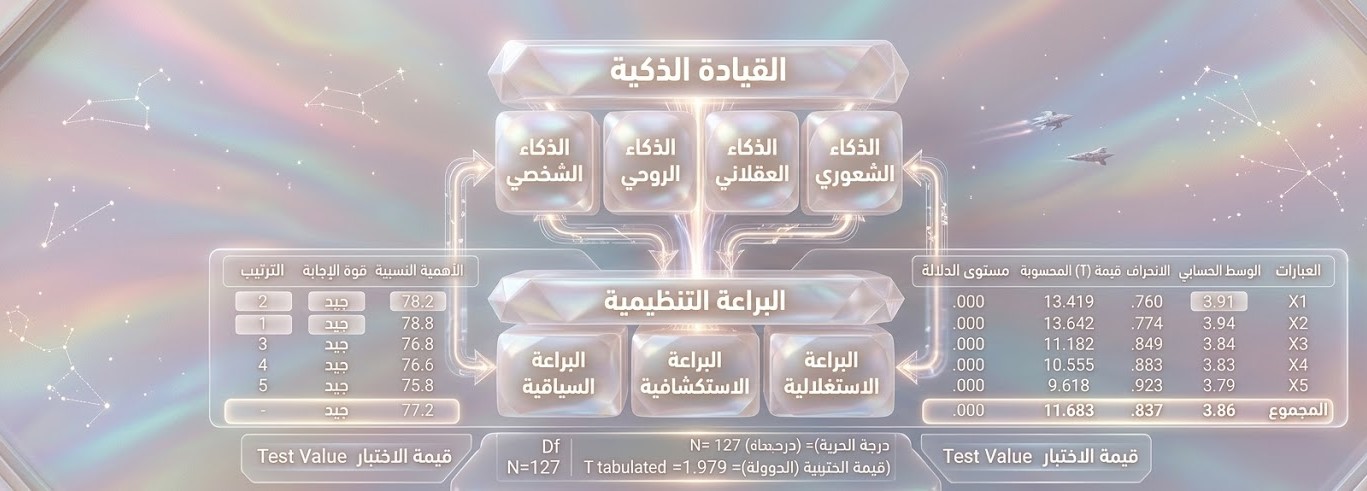
This research aims to identify the role of intelligent leadership, with its dimensions (emotional intelligence, rational intelligence, spiritual intelligence, and interpersonal intelligence), in achieving the dimensions of organizational agility: exploratory agility, exploitative agility, and contextual agility. The research framework represents the research problem, which defined by posing several questions about the nature of the relationship and influence between the two variables. To this end, a theoretical framework designed, from which two main hypotheses were derived and subjected to multiple statistical tests. A questionnaire used as the data collection tool. The research adopted a descriptive-analytical approach, describing the main and sub-variables. The research population consisted of all managers at Korek Telecom in the Kurdistan Region of Iraq, totaling 150 managers. Accordingly, a comprehensive survey method used to determine the sample, distributing questionnaires to them. Only 127 questionnaires returned, achieving a response rate of 84.7%. The research hypotheses tested using SPSS version 26. The research yielded several conclusions, including the existence of positive correlations and significant impact relationships between the two variables at both the macro and micro levels. The research recommended leveraging the strong relationship between the two variables and directing it towards serving Korek Telecom, the company under study.
Downloads
References
1. أبو رحمة، إبراهيم أحمد (2021) ، دور البراعة التنظيمية في تحقيق التميز المؤسسي دراسة تطبيقية على جامعة غزة مجلة جامعة الإسراء للعلوم الإنسانية جامعة الإسراء (10): 453-487 .
2. البغدادي، عادل والجبوري، حيدر(2015) أثر البراعة التنظيمية في تحقيق المرونة الإستراتيجية: دراسة ميدانية مقارنة بين شركتي زين وأسيا سيل مجلة القادسية للعلوم الإدارية .32-17(1)17,
3. السعدي ، ربيعة عطا الله (2023 )، أثر القيادة الادار ية وذكائها الشعور ي على الاداء المنظمي - دراسة تشخيص واقع حال في (مصارف الرشيد في كربلاء ) ، مجلة وارث العلمية ، المجلد 5 .
4. الحدراوي ، حامد كريم و حنوف علي عبد (2023 ) ، دور القيادة الذكية في تحقيق النجاح الاستراتيجي (دراسة تحليلة لاَراء عينة من القيادات الإدارية لمديرية التربية في محافظة النجف الأشرف ، مجلة الغري للعلوم الاقتصادية و الادارية، المجلد 16 ، العدد 3.
5. الخفاجي، آلاء ثامر صالح(2021)، " دور القيادة الذكية في تحسين جودة العلمية التعليمية: بحث تحليلى لآراء عينة من المدارس الحكومية في مديرية العامة لتربية محافظة كربلاء المقدسة، رسالة دبلوم عالي، كليةالإدارة والاقتصاد، جامعة كربلاء-العراق.
6. الصبيحة،حنان خلفان ( 2014 )،الذكاء الروحي وعلاقته بدافعية الإنجاز الاكاديمي،رسالة ماجستير غير منشورة،كلية العلوم و الاداب،جامعة نزوي،سلطنة عمان.
7. العطار ، فؤاد حمودي و الغنماوي حازم ربح و كاظم راهي جاسم ( 2020 ) القيادة الذكية و دورها في تحقيق الازدهار التنظيمي - دراسة تحليلية في دائرة صحة واسط ، مجلة جامعة كربلاء ، المجلد 16 ، العدد 45.
8. القرني، على بن حسن يعن الله (2020)،الدور الوسيط للبراعة التنظيمية في تعزيز العلاقة بين الرشاقة الاستراتيجية وتحقيق الميزة التنافسية في جامعة تبوك : دراسة ارتباطية تنبؤية، مجلةالتربية ، كلية التربية بالقاهرة جامعة الأزهر ،188(1): 359- 406.
9. الكرعاوي ، سجى جواد حسين (2016 ) ، تأثير القيادة الذكية في المنظمات الذكية من خلال تعزيز التعلم التنظيمي ، رسالة ماجستير غير منشورة ، جامعة القادسية، كلية الادارة و الاقتصاد،ص46.
10. المجالي ، هاشم نايل ( 2019 ) ، القيادة الذكية - ابداع و ابتكار - جريدة الدستور ، العدد 18622 صفحة 21 ، عمان، الاردن.
11. النعيمي محمد و نجم نجم ( 2021 ) الذكاء القيادي: رؤية في القيادة القيادة الاستراتيجية، المؤتمر العلمي السنو ي الحادي عشر: ذكاء الأعمال و اقتصاد المعر فة، جامعة الز يتونة ، عمان، الأردن.
12. حسن ، حازم خال (2023 ) ، دور القيادة الذكية في تعزيز مهارات التفكير الرياضي - دراسة استطلاعية لآراء عينة من تدريسي قسم الرياضيات في كليات عدد من الجامعات الحكومية . رسالة ماجستير غير منشورة، الجامعة التقنية .
13. حسني ، محمد سميش (2022 ) " أثر تطبيق البراعة التنظيمية في استدامة الميزة التنافسية للمنظمات العامة " دراسة ميدانية على البنوک التجارية الحکومية في مصر ، مجلة كلية الاقتصاد و العلوم السياسية ، المجلد 26 ، العدد 4 . الصفحة 7 .
14. حسوني ، أثير عبد الامير و الشمري هدى مهدي ( 2022 ) ، دور القيادة الذكية في أدارة الازمات - دراسة تطبيقية في عينة من المصارف التجارية الخاصة، مجلة العلوم الادارية العراقية، المجلد 3 ، العدد 3 .
15. سعيد،عبد العزيز حميدوسلطان حكمت رشيد ( 2022 ) دور القيادة الذكية في تحقيق السيادة الاستراتيجية دراسة استطلاعية لآراء عينة من القيادات الإدارية والعلمية في جامعتي (نوروز، جيهان) الخاصة في مدينة دهوك / كوردستان / العراق، المجلة الاكاديمية لجامعة نوروز، المجلد 11،العدد2 .
16. سلطان ، كفاح حميد (2025 ) ، دور القيادة الذكية في تحقيق النجاح الاستراتيجي، مجلة مركز دراسات كوفة ، جامعة كوفة ، المجلد 77 ، العدد 1 .
17. عامر، سامح عبد المطلب إبراهيم (2020). أثر البراعة التنظيمية علي تطوير الأداء التنظيمي بمؤسسات التعليم العام قبل الجامعي بالتطبيق علي محافظة القاهرة. العلوم التربوية. كلية الدراسات العليا للتربية جامعة القاهرة. 28(3): 211-289.
18. عبد الرحمن ، عبد الله محمد و علي يوسف احمد ( 2023 ) تأثير القيادة الذكية في تعزيز إدارة المواهب: دراسة استطلاعية على منتسبي مديرية تربية نينوى ، مجلة تكريت للعلوم الاقتصادية و الادارية، المجلد ( 19 ) ، العدد ( 63 ) .
19. عبدالله، مهابات نوري(2020)، دور أبعاد القيادة الذكية في الحد من الشيخوخة التنظيمية : دراسة تحليلية لآراء مديري عدد من المصارف الأهلية من مدينة أربيل، مجلة زانكوللعلوم الإنسانية، كلية الادارة والاقتصاد، جامعة صلاح الدين، العراق ،مجلد(24)،العدد(3)، ص ص 117-142.
20. عباس، سهيل محمد (2018). القيادة الإدارية الحديثة. عمّان: دار المسيرة للنشر والتوزيع.
21. عزازة ، بسمة نبيل اسماعيل (2022 ) ، تأثير القيادة الذكية على جودة الخدمة كميزة تنافسية لقرى الاطفال SOS في فلسطين، رسالة ماجستير غير منشورة، جامعة القدس، فلسطين.
22. عطا، خالدية مصطفي (2021)، البراعة التنظيمية وتأثيرها في المكانة الاستراتيجية للمنظمة دراسة تحليلية لآراء عينة من العاملين في شركة الصناعات الإلكترونية التابعة لوزارة الصناعة والمعادن القطاع المختلط. مجلة جامعة الأنبار للعلوم الاقتصادية والإدارية. جامعة الأنبار كلية الإدارة والاقتصاد ، 13(4) : 228-257.
23. غضاب ، حسن عودة و جاسم علي عيسى (2024 ) القيادة الذكية و تأثيرها على الاداء السياحي - بحث وصفي تحليلي لآراء عينة من موظفين هيئة السياحة العراقية، مجلة اقتصاديات الاعمال للبحوث التطبيقية، المجلد 6 ، العدد 2 .
24. كريم، ريم وعويد، انتصار. (2021 ) ، القيادة الذكية وعلاقتها باتخاذ القرار لبعض مدربي كرة اليد من وجهة نظر اللاعبين، مجلة الرياضة المعاصرة ، المجلد 20 ، العدد، 2 .
25. محمد، شلير عبدالرحمن على(2021)، دور البراعة التنظيمية في تحقيق الأداء المستدام: دراسة استطلاعية لآراء عينة من التدريسيين في عينة من الجامعات دهوك- مجلة تكريت للعلوم الإدارية والاقتصادية، المجلد 19، العدد2.:196 -215.
26. واحد ، سرتيب عبد الله (2021) ، دور القيادة الذكية في ترسيخ ثقافة التميز - دراسة تحليلية لاراء المديرين في مديرية المرور في مدينة اربيل ، رسالة ماجستير غير منشورة ، جامعة صلاح الدين- كلية الادارة والاقتصاد .
27. Alshaer, Sawsan A. (2020)"The Effect of Strategic Vigilance on Organizational Ambidexterity in Jordanian Commercial Banks." Modern Applied Science, Vol. 14, No. 6, pp.82-89.
28. Anzenbacher, Armin& Wagner, Marcus. (2020)"The role of exploration and exploitation for innovation success: Effects of business models on organizational ambidexterity in the semiconductor industry." International Entrepreneurship and Management Journal, 16.2, pp.571-594. 47.
29. Balarezo, Jose D. & Nielsen,Bo Bernhard . (2020)"Microfoundations
of Organizational Ambidexterity: An Analysis of the Design, Actors,
and Decisions at a Multinational Biotech Firm." IEEE Transactions on
Engineering Management, pp.1-12.
30. Boukamel, Owen & Emery, Yves, (2017), "Evolution of organizational ambidexterity in the public sector and current challenges of innovation capabilities", The Innovation Journal: The Public Sector Innovation Journal, Volume 22(2), 2017, article 2.
31. Da’as, R. (2022). Principals’ attention scope and teacher creativity: the role of principals’ ambidexterity and knowledge sharing. International Journal of Leadership in Education, 1-23.
32. Danah , Zohar, (2012). Spiritual intelligence: The Ultimate Intelligence. . Bloomsbury Publishing , Kindle Edition .
33. Daderman, A.M., (2013). Managing With My Heart. Brain and Soul: The Development of The Leadership Intelligence Questionnaire Journal of Cooperative Education And Internships, 47(1), 65.
34. Dranev,Yury&Alisa Izosimova&Dirk Meissner. (2020)"Organizational ambidexterity and performance: assessment approaches and empiricaevidence." Journal of the Knowledge Economy, 11.2, 676-691.
35. García-Sánchez, Encarnación, Víctor J. García-Morales and Rodrigo
Martín-Rojas 2018 "Influence of Technological Assets on Organizational
Performance through Absorptive Capacity, Organizational Innovation and
Internal Labour Flexibility", Journal of Sustainability, 10, 770.
36. García, S. Santamaria (2017) "The emotional and educational consequences of rudeness in teacher-student interaction in higher education." Corpus Pragmatics 1(3): pp. 233-255
37. Gibson, C. B. and Birkinshaw, J., (2004),“The Antecedents, Consequences and Mediating Role of Organizational Ambidexterity”, Academy of Management Journal, Vol. 47, No. 2, pp. 209‒226.
38. Gschwantner, S., & Hiebl, M., (2016)," Management control systems and organizational ambidexterity", Journal of Management Control, 27(4), 371-404. doi:10.1007/s00187 016-0236-3. 114. Gu, J., & Xie, F. (2009)," Research on the Top Management Team Behavioral.
39. Gurlek, Mert. (2020) "Effects of high-performance work systems
(HPWSs) on intellectual capital, organizational ambidexterity and
knowledge absorptive capacity: evidence from the hotel industry."
Journal of Hospitality Marketing & Management, pp.1-33.
40. Haber-Curran, P. & GuramatunhuCooper, N. (2020). Teaching global mindset and intercultural competence through the framework of emotionally intelligent leadership. Journal of Leadership Education, 10(12), 86-96.
41. Iannotta, Meret & Marchetti, (2020) "Defining Leadership in Smart Working Contexts: A Concept Synthesis." Front. Psychol, Vol.11,No.5,pp.1-11.
42. Jansen, J. (2005). Ambidextrous organizations: A multi-level study of absorptive capacity, exploratory and exploitative innovation, and performance. PhD Thesis, Erasmus Research Institute of Management (ERIM).
43. Katou, Anastasia A.&Budhwar,Pawan S. & Charmi Patel.(2020) "A trilogy of organizational ambidexterity: Leader’s social intelligence,employee work engagement and environmental changes.", Journal of Business Research,pp.1-13.
44. Kerstetter, B. (2018) , The Role of Spiritual Intelligence in Leader Influence on Organizational Trust , Unpublished doctoral dissertation, Walden University, Faculty of Management and Technology.
45. Kobayashi, Hajime& Takemura, Masaaki. (2020) "Organizational
Ambidexterity: What Does It Mean? How Is It Actualized?"
International Journal of Multidisciplinary In Business and Science,
6.9, Pp. 51-60.
46. Lind, Richard& Aberg, Hanna . (2020) "Management Control Systems
as a Package and its role of enabling Organizational Ambidexterity in
SMEs: An exploratory study.”MASTER THESIS WITHIN: Business
Administration، Jönköping.
47. March, J.G., 1991. Exploration and exploitation in organizational learning. Organization Science, 2(1), pp.71–87.
48. Mayer, J. D., 2014. Personal Intelligence [online]. Available at: [Accessed 10 September 2025].
49. Matton, j ( 2017 ). Intelligent Leadership: Wath You Need To Know To Unlock YourFull Potential, Printed In USA.
50. Mayer, J. D., Wilson, R., & Hazelwood, M., 2010. Personal intelligence expressed: A multiple case study of business leaders. Imagination, Cognition and Personality, 30, pp.201–224.
51. Miao, C., Humphrey, R. H., & Qian, S. (2018). “Emotional Intelligence and Authentic Leadership: A Meta‑Analysis.” Leadership & Organization Development Journal, volume 39 , No (5) .
52. Pertusa-Ortega, E. M., & Molina-Azorín, J. F. (2018). A joint analysis of determinants and performance consequences of ambidexterity. BRQ Business Research Quarterly, 21(2).
53. Przybylska, E. & Przybylski, B., 2019. Informal Learning: Review of Research Perspectives in Polish and German Andragogy. Kultura i Edukacja, 4(126), pp. 65–79
54. Raisch, S., & Birkinshaw, J. (2008)", Organizational Ambidexterity: Antecedents, Outcomes, and Moderators", Journal of Management, 34(3), 375–409.
55. Simsek, Z., Heavy, C., Veiga, J.F. and Souder, D. (2009). “A typology for aligning organizational ambidexterity’s conceptualizations, antecedents, and outcomes”, Journal of Management Studies, 46 (5).
56. Schuller,Felix;(2019),"The impact of top management teams on the implementation of organizational ambidexterity in startups",Master’s Thesis to confer the academic degree of Master of Science in the Master’s ,Johannes kepler university linz Altenberger Straße 69 4040 Linz, Austria,p15.
57. Stelzl, Katharina, Röglinger, Maximilian& Katrin Wyrtki.(2020) "Building an ambidextrous organization: a maturity model for organizational ambidexterity." Business Research, pp.1-28.
58. Sultan, S., Khan, M., & Kanwal, F.(2017) Spiritual intelligence linking to leadership effectiveness: Interceding role of personality traits, PEOPLE: International Journal of Social Sciences, 3(2), 599–613.
59. Tamannaeifar, M. (2019 ) Psychological effects of spiritual intelligence and creativity on happiness. International Journal of Medical Investigation , volume 8 , No (2) .
60. Úbeda-García, M., Marco-Lajara, B., & García Lillo, F. (2017). Organisational ambidexterity: a literature review using bibliometric methods. International Journal of Bibliometrics in Business and Management, 1(1), 3–25. https://doi.org/10.1504/IJBBM.2017.10003420.
61. Yigit, M. (2013). Organizational ambidexterity: Balancing exploitation and exploration in organizations. on Prentice Hall. US.
62. West, M.A. (2004) Effective Teamwork—Practical Lessons from Organizational Teamwork. 2nd Edition, Blackwell, USA.
63. Zaccaro, S.J., Kemp, C. and Bader, P. (2004). Leader traits and attributes. In: J. Antonakis, A.T. Cianciolo and R.J. Sternberg (eds), The Nature of Leadership. Thousand Oaks, CA: Sage Publications, pp. 101–124.
Downloads
Published
How to Cite
Issue
Section
License
Copyright (c) 2026 Daham Sabir Hamad, Abdulrahman Zrar Abdulrahman, Jwan Saadallah rashed

This work is licensed under a Creative Commons Attribution-NonCommercial-NoDerivatives 4.0 International License.
Authors retain the copyright of their papers without restrictions.