دور استراتيجية التصنيع الفعال في إدارة التكلفة البيئية وفق معايير محاسبة الاستدامة
DOI:
https://doi.org/10.71207/ijas.v22i87.5840الكلمات المفتاحية:
التصنيع الفعّال، محاسبة الاستدامة، إدارة التكلفة البيئية، معايير الاستدامةالملخص
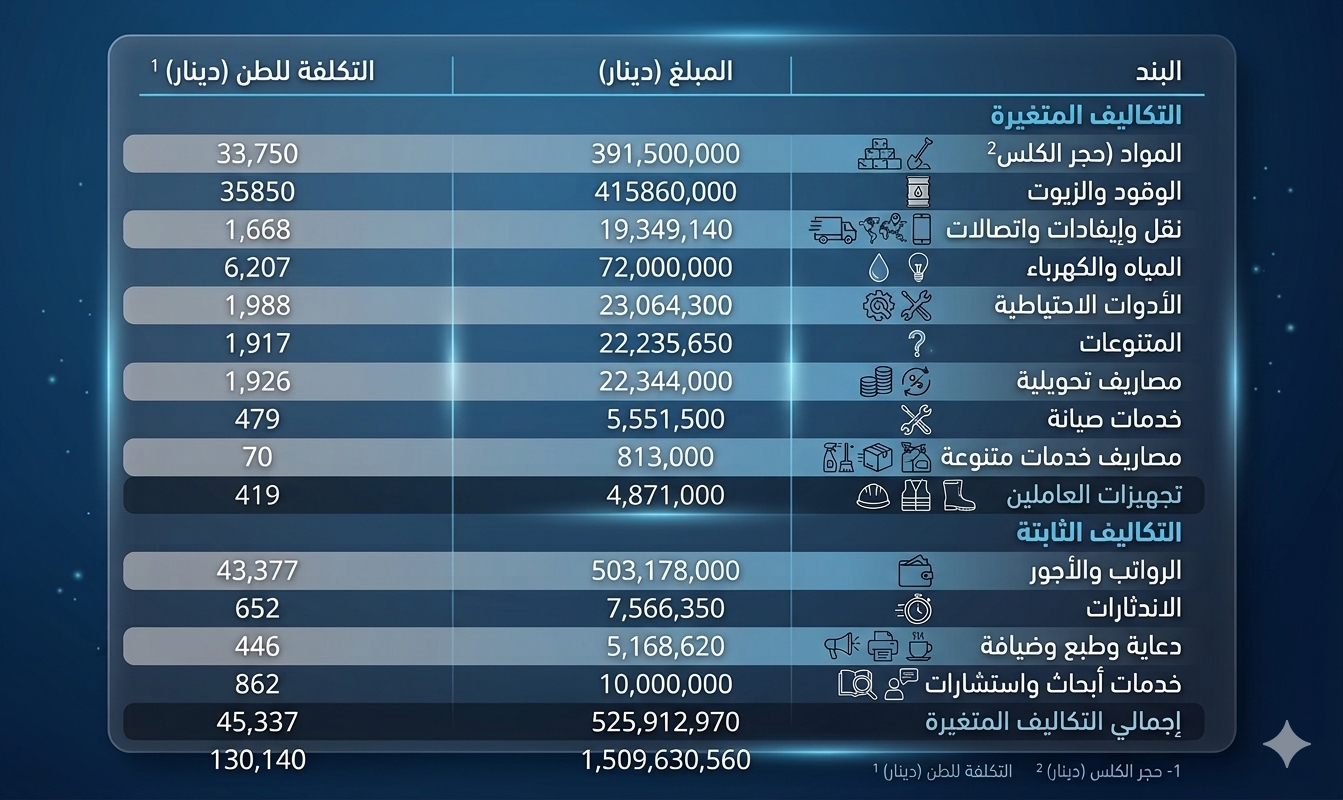
يهدف البحث إلى تحليل الدور المحتمل لاستراتيجية التصنيع الفعّال في تحسين إدارة التكلفة البيئية في ضوء معايير محاسبة الاستدامة، وذلك من خلال تطبيق تقنيات (دورة حياة المنتج البيئية، والتكلفة على أساس النشاط الموجه بالوقت، والتكلفة المستهدفة الخضراء) على بيانات فعلية لمعمل النورة في كربلاء لعام 2024. أظهرت النتائج التحليلية إمكانية خفض تكلفة الإنتاج بمقدار 22,687 دينار/طن وتقليل الانبعاثات بنسبة 37.9% عند تبني تحسينات مقترحة في مزيج الوقود والمواد الخام. يقدم البحث نموذجاً متكاملاً يساعد المنشآت الصناعية على تحقيق التوازن بين الربحية والاستدامة، وتحويل التكاليف البيئية من عبء مالي إلى استثمار استراتيجي. تؤكد الاستنتاجات أن تكامل التقنيات المحاسبية البيئية مع معايير الاستدامة يوفر أساساً معلوماتياً قوياً لدعم التحول نحو التصنيع الفعّال
التنزيلات
المراجع
1. الجابري، م. (2021). استراتيجية التصنيع الفعال وتأثيرها في الأداء التنافسي. مجلة العلوم الاقتصادية والإدارية، 25 (2)،33-50.
2. الجليحاوي، ع. (2020) استعمال تقنيات المحاسبة الإدارية البيئية بالتوافق مع معايير محاسبة الاستدامة لتحقيق استدامة المنتج أطروحة دكتوراه، جامعة بغداد.
3. حسين، ح. ع. (2022( تطبيق تقنيات إدارة التكلفة الاستراتيجية لدعم استراتيجية التصنيع الفعّال وأثرها في تحقيق الميزة التنافسية المستدامة رسالة ماجستير، جامعة كربلاء.
4. خليل، م.، & عبيدة، ن. (2018). التصنيع الفعال والجودة الشاملة. مجلة الإدارة والاقتصاد30 (1)،161-180.
5. الزاملي، ر.، & الأعاجيبي، ع. (2021). تحليل التكاليف البيئية على أساس الأنشطة ودوره في تحسين الأداء البيئي للوحدات الاقتصادية. مجلة المحاسبة والتدقيق، 18 (3)،120-135.
المصادر الأجنبية
6. Abualfaraa, W., Salonitis, K., Al-Ashaab, A., & Ala’raj, M. (2020). Lean green manufacturing practices and their link with sustainability: A critical review. Sustainability, 12 (3), 981.
7. Assad, F., Patsavellas, J., & Salonitis, K. (2024). Enhancing sustainability in manufacturing through cognitive digital twins powered by generative artificial intelligence. Procedia CIRP, 130, 677–682.
8. Bai, C., et al. (2025). Effects of lean and green supply chain management practices on the performance of Hungarian manufacturing companies. Discover Sustainability, 6, 45.
9. Breque, M., De Nul, L., & Petridis, A. (2021). Industry 5.0: Towards a sustainable, human-centric and resilient European industry. European Commission.
10. Burritt, R. L., & Schaltegger, S. (2017). Sustainability accounting and reporting: Fad or trend? Accounting, Auditing & Accountability Journal, 30 (7), 1526–1551.
11. Chen, P.-K., et al. (2020). Lean manufacturing and environmental sustainability. Sustainability, 12 (18), 7258.
12. Cooper, R., & Slagmulder, R. (2017). Target costing and value engineering (2nd ed.). Productivity Press.
13. European Proceedings. (2023). Environmental management accounting practices. European Proceedings of Social and Behavioural Sciences,128, 215–230.
14. Ghobakhloo, M., et al. (2023). Industry 5.0 implications. Journal of Cleaner Production, 417, 138023.
15. Global Reporting Initiative. (2021). GRI Standards.
16. Gunasekaran, A., et al. (2018). Agile manufacturing. International Journal of Production Research, 57 (15–16), 5154–5174.
17. IFAC. (2019). Environmental management accounting: International guidance document.
18. Innovative management accounting practices. (2021). Environment, Development and Sustainability, 24, 4567–4590.
19. Journal of Cleaner Production. (2015). Material flow cost accounting. Journal of Cleaner Production, 108, 1378–1389.
20. Juliani, D., et al. (2025). Green accounting impact. Performance: Jurnal Bisnis & Akuntansi, 15 (1), 1–18.
21. Kamble, S. S., et al. (2020). Industry 4.0 and lean manufacturing. International Journal of Production Research, 58 (5), 1319–1337.
22. Kanoa, M. O., & Sorour, M. J. (2020). Material flow cost accounting. Tikrit Journal of Administrative and Economic Sciences, 16 (52), 115–131.
23. Kaplan, R. S., & Anderson, S. R. (2017). Time-driven activity-based costing.
24. Kumar, V. (2020). Agile manufacturing: A supply chain approach.
25. Lemohang, M., & Bhekithemba, M. (2015). Agile manufacturing framework. International Journal of Production Research, 53 (10), 3032–3050.
26. Lu, Y., et al. (2022). Human-centric manufacturing. Journal of Manufacturing Systems, 62, 612–627.
27. Marota, R. (2024). Material flow cost accounting. Indonesian Journal of Business and Entrepreneurship, 3 (1), 43–56.
28. Miseldra Gil-Marín, et al. (2022). Sustainability accounting studies. Sustainability, 14 (15), 9533.
29. Pant, R., et al. (2025). Industry 5.0 technologies. Operations Research Forum, 6 (1), 29.
30. Saribu, A. D., et al. (2023). Environmental management accounting. Indonesian Interdisciplinary Journal of Sharia Economics, 6 (3), 3371–3385.
31. Shahin, M., et al. (2023). IT in agile manufacturing. Computers & Industrial Engineering, 175, 108120.
32. Sharma, R., & Gupta, H. (2024). Digital twins in Industry 5.0. Journal of Cleaner Production, 448, 141364.
33. Sustainability Accounting Standards Board. (2020). SASB Standards.
34. Thomas, A., et al. (2018). Agile manufacturing concepts. International Journal of Operations & Production Management, 38 (1), 6–25.
35. Turner, C., & Oyekan, J. (2023). Industry 5.0 manufacturing systems. Sustainability, 15 (13), 10169.
36. United Nations. (2015). Transforming our world: The 2030 agenda.
37. Xu, X., et al. (2021). Industry 4.0 and 5.0. Journal of Manufacturing Systems, 61, 530–535.
38. Yli-Ojanperä, M., et al. (2019). Agile manufacturing and Industry 4.0. Journal of Industrial Information Integration, 15, 147–160.
39. Zhang, Y., et al. (2020). Green and lean development. Resources, Conservation and Recycling, 156, 104714.
التنزيلات
منشور
كيفية الاقتباس
إصدار
القسم
الرخصة
الحقوق الفكرية (c) 2026 صادق هادي محي المنصوري، صلاح مهدي جواد الكواز، جاسم عيدان براك المعموري

هذا العمل مرخص بموجب Creative Commons Attribution-NonCommercial-NoDerivatives 4.0 International License.
يحتفظ المؤلفون بحقوق الطبع والنشر لأوراقهم دون قيود.