Circular Economy as a Strategic Option for Achieving Sustainable Development in Iraq for the Period 2013–2024
DOI:
https://doi.org/10.71207/ijas.v22i87.5611Keywords:
Circular Economy - Strategy - Sustainable Development - Linear Economy - Cluster Analysis - Elbow MethodAbstract
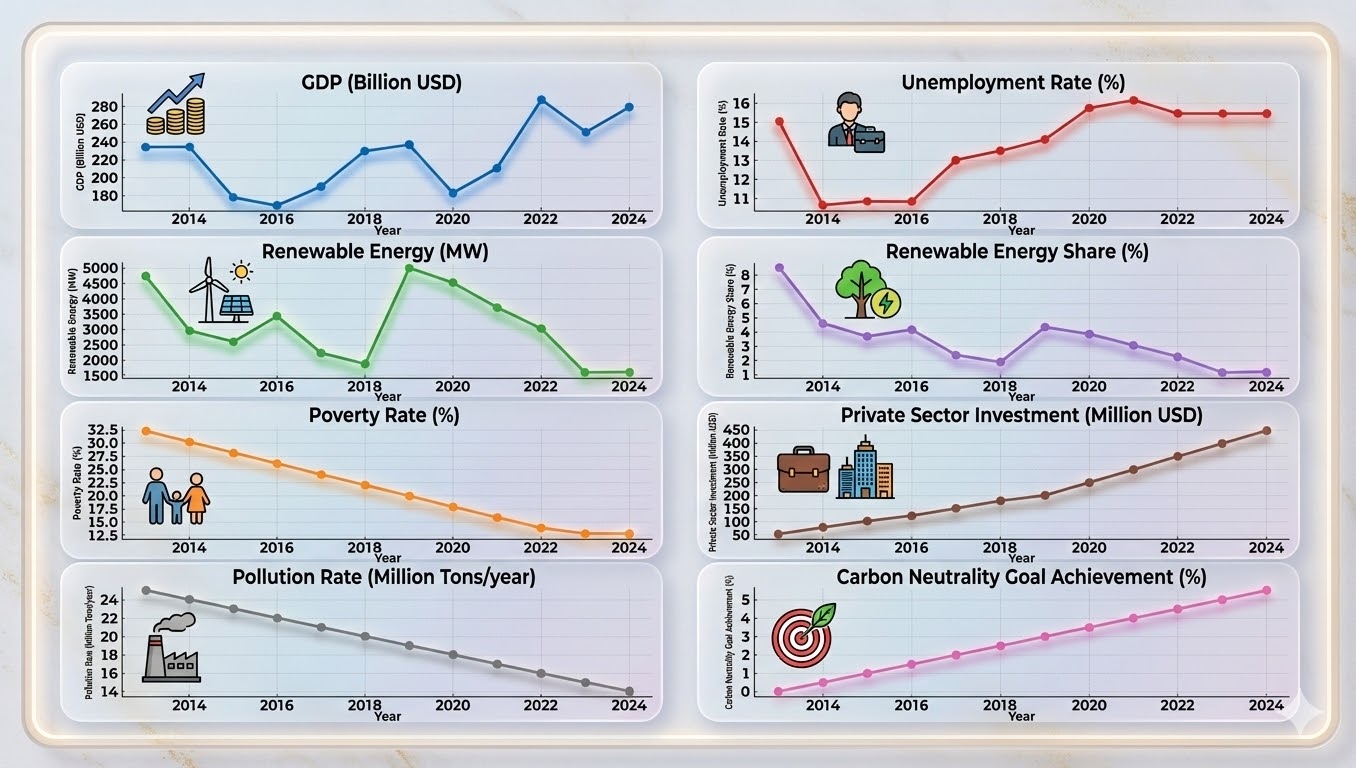
This research explores the circular economy as a strategic approach for sustainable development in Iraq, focusing on the environmental, economic, and social challenges the country faces. It examines the link between the circular economy and the 2030 Sustainable Development Goals (SDGs), offering practical recommendations for its implementation. The study used both quantitative and qualitative analyses, gathering data from sources like the World Bank, UNIDO, and Iraq’s Ministry of Environment. The elbow method categorized the data into economic groups, while K-Means cluster analysis identified key factors influencing the circular economy's success. The findings show that the circular economy could significantly boost resource sustainability and reduce waste in Iraq. However, challenges such as dependence on oil, pollution, and high poverty remain. The study also highlights the need for more private sector investment and efforts towards carbon neutrality to achieve sustainable growth. Specialized strategies for each economic group are essential for success.
Downloads
References
1. الجبوري، حنان محمد شكر . (2020). الفقر في العراق والتنمية المستدامة. Journal of Arts, Literature, Humanities and Social Sciences, (53), 292-307.
2. حداد، حامد عبيد . (2012). تحديات الأمن المائي للعراق (لحوضي دجلة والفرات). مجلة دراسات دولية (51), 87-103.
3. عيد راضي سالم الجعافرة. (2024). إدارة المخلفات وأهميتها في حماية البيئة لدى البلديات. مجلة العلوم الإنسانية والطبيعية, 5(1), 829-845
4. محمد م. (2021). الاقتصاد الدائري ودوره في تحقيق التنمية المستدامة. Enterprenuership Journal For Finance and Bussiness, 2(3), 159–168. https://doi.org/10.56967/ejfb2021102
5. مركز دراسات البيئة والتنمية. (2021). إعادة التدوير في العراق: التحديات والفرص. تقرير سنوي للمركز، 15(3)، 32-45.
6. منظمة الأمم المتحدة للتنمية الصناعية (UNIDO). (2023). الشراكات الدولية في مجال تكنولوجيا البيئة: دور العراق في الاقتصاد الدائري. تقرير الأمم المتحدة، 31(1)، 12-25.
7. وزارة البيئة العراقية. (2020 .(السياسات البيئية في العراق: اتجاهات نحو الاقتصاد الدائري. وزارة البيئة العراقية . https://www.moen.gov.iq/eco-policies
8. وزارة البيئة العراقية. (2020). إدارة المخلفات والنفايات في العراق: الوضع الحالي والتوجهات المستقبلية. وزارة البيئة العراقية . https://www.moen.gov.iq/iraq-waste-management
9. Al Arabiya. (2024, February 21). Rampant water pollution threatens Iraq’s shrinking rivers. Al Arabiya English.
10. Al-Jawadi, M. (2022). Unemployment and Economic Struggles in Iraq: Current Situation and Future Prospects. Middle East Economic Review, 17(4), 85-98.
11. Al-Monitor. (2024, February). Rampant water pollution threatens Iraq’s shrinking rivers. Al-Monitor.
12. Al-Obaidi, T. (2020). Water Crisis and Management in Iraq: Challenges and Solutions. Journal of Environmental Studies, 45(3), 120-135.
13. European Commission. (2020). A new circular economy action plan for a cleaner and more competitive Europe. European Union.
14. Fattah, F. (2021). Water Scarcity in Iraq: The Effects of Regional Disputes and Climate Change. Water Policy Journal, 43(6), 237-248.
15. Geissdoerfer, M., Savaget, P., Bocken, N. M. P., & Hultink, E. J. (2017). The Circular Economy – A new sustainability paradigm?. Journal of Cleaner Production, 143, 757–768.
16. Khalaf, S. (2022, November 22). Climate change and the water crisis in Iraq: Indicators of vulnerability and the severity of environmental impact. Safaa Khalaf.
17. Kirchherr, J., Reike, D., & Hekkert, M. (2017). Conceptualizing the circular economy: An analysis of 114 definitions. Resources, Conservation and Recycling, 127, 221–232. https://doi.org/10.1016/j.resconrec.2017.09.005
18. Korhonen, J., Honkasalo, A., & Seppälä, J. (2018). Circular economy: The concept and its limitations. Ecological Economics, 143, 37–46. ttps://doi.org/10.1016/j.ecolecon.2017.06.041
19. Kurdistan24. (2024, June). Iraq’s oil revenues dominate state income. Kurdistan24. https://www.kurdistan24.net/
20. Jiao, W., Ma, W., & Shi, L. (2025). China circular economy policy engineering. In Handbook of circular economy and sustainability global leadership (pp. 1–19)
21. Gulan Media. (2025). Iraq’s economy remains dependent on oil revenues despite promises of diversification. https://gulanmedia.com/en/story/iraqs-economy-remains-dependent-on-oil-revenues-despite-promises-of-diversification.
22. Alqahtani, M. F., & Afy-Shararah, M. (2025). Integrating circular economy practices into renewable energy in the manufacturing sector: A systematic review of the literature. Sustainability, 17(16), 7301.
23. UNDP. (2023). Poverty in Iraq: The Socioeconomic Crisis. United Nations Development Program.
24. UNEP. (2022). Environmental Challenges in Iraq: A Path Forward. United Nations Environment Program.
25. United Nations in Iraq. (2021). Running dry: Water scarcity threatens lives and development in Iraq. United Nations.
26. United Nations. (1987). Report of the World Commission on Environment and Development: Our Common Future. United Nations. https://sustainabledevelopment.un.org/content/documents/5987our-common-future.pdf
27. United Nations. (2015). Transforming our world: The 2030 agenda for sustainable development. United Nations.
28. World Bank. (2023). Iraq Economic Overview: Oil Dependency and Economic Diversification. World Bank Group. Retrieved from
29. International Labour Organization. (2021). World Employment and Social Outlook: Trends 2021. International Labour Organization.
Downloads
Published
How to Cite
Issue
Section
License
Copyright (c) 2026 إيمان عبد الكاظم جبار الكريطي

This work is licensed under a Creative Commons Attribution-NonCommercial-NoDerivatives 4.0 International License.
Authors retain the copyright of their papers without restrictions.